For schools · Classes 9 to 12, and the younger ones from age 10
From consumers of AI to the people who create with it.
A generation is growing up inside technology that others made for them. We believe children deserve more than that: to understand it, to question it, and to make things of their own with it.
Why now
Students already use AI. Employers already ask for it.
The question for a school is no longer whether AI belongs in the classroom. It is whether students learn to use it well, with adults who know the subject, or learn it alone.
- 39%
of workers' existing skill sets will be transformed or become outdated between 2025 and 2030. AI and big data top the list of fastest-growing skills.
World Economic Forum, Future of Jobs Report 2025 - 66%
of business leaders say they would not hire someone without AI skills. 71% would rather hire a less experienced candidate who has them.
Microsoft and LinkedIn, Work Trend Index 2024 (31,000 people, 31 countries) - 1.25 million
India's demand for AI talent is projected to grow from 600,000 to 650,000 to more than 1,250,000 between 2022 and 2027.
Deloitte India and nasscom, Advancing India's AI Skills, 2024 - Class 3
From the 2026-27 session, AI and computational thinking enter the CBSE curriculum from class 3. AI is already an optional subject in classes IX to XII.
Ministry of Education, Government of India (PIB, Oct 2025 and March 2026) - 64%
of teenagers in the United States say they use an AI chatbot, about three in ten every day.
Pew Research Center, December 2025 (U.S. teens aged 13 to 17) - Under 10%
of 450 schools and universities surveyed had a policy or formal guidance on the use of generative AI.
UNESCO global survey, 2023
The curriculum is arriving and the students are ahead of it. What most schools do not have yet is a way to teach AI well. That place is still open.
Classes 9 to 12: three stages, each with its own question
In class 10 a student chooses a stream, often without having seen what any profession looks like now that AI is part of it. Two years earlier is the right time to show them, so they choose with clarity, arrive at university knowing why they are there, and use AI wisely instead of leaning on it.

Class 9 AI Ready
Good practice
How do I use AI well?
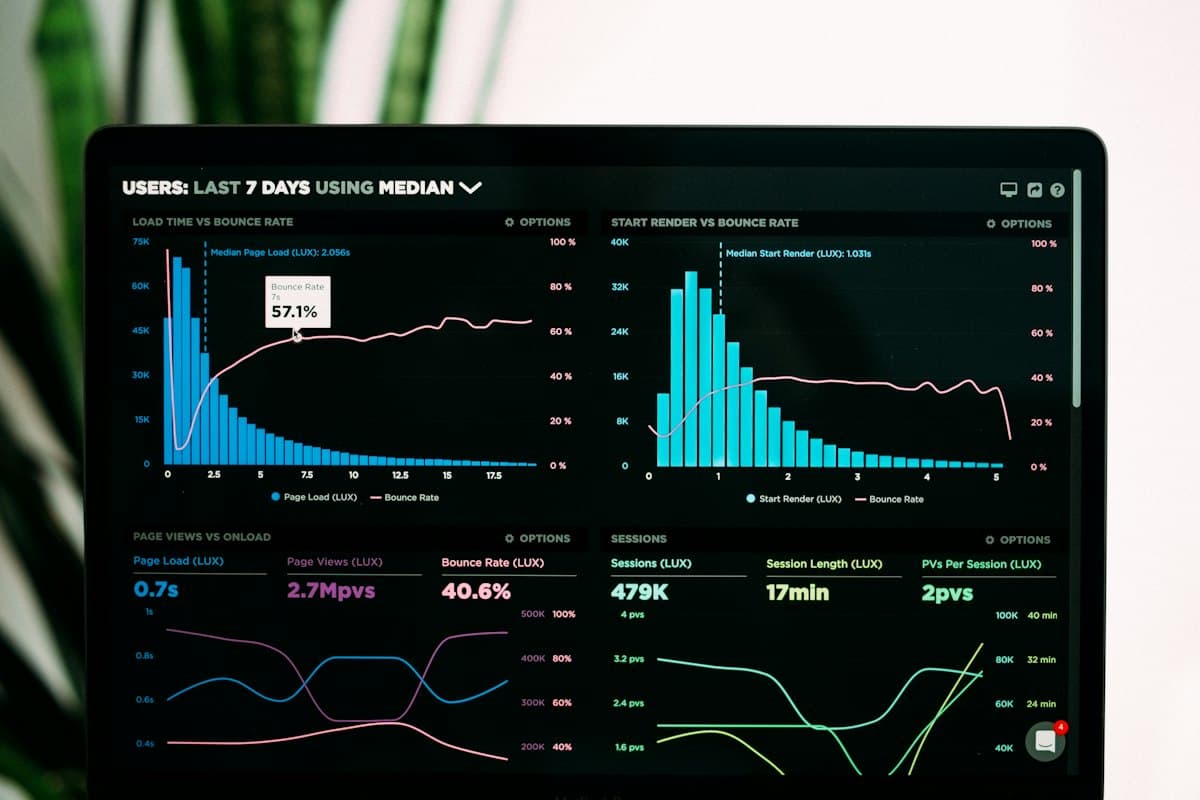
They already use AI, mostly to get the homework done faster. This is the year to build the right habits, and to learn how AI can help them learn and gain knowledge.
- Have a hard chapter explained three different ways, then explain it back
- Turn their own notes into quizzes and a revision plan before the exam
- Check an answer against the textbook, and catch AI when it is wrong
- Know when not to use it: what must stay their own thinking, and what is cheating
- Stay safe: what never to share, how to recognise a fake
They leave with A good basic knowledge of AI, and study habits that serve them in every subject.
Class 10 AI Applied
What AI will change, field by field
Which stream do I choose?
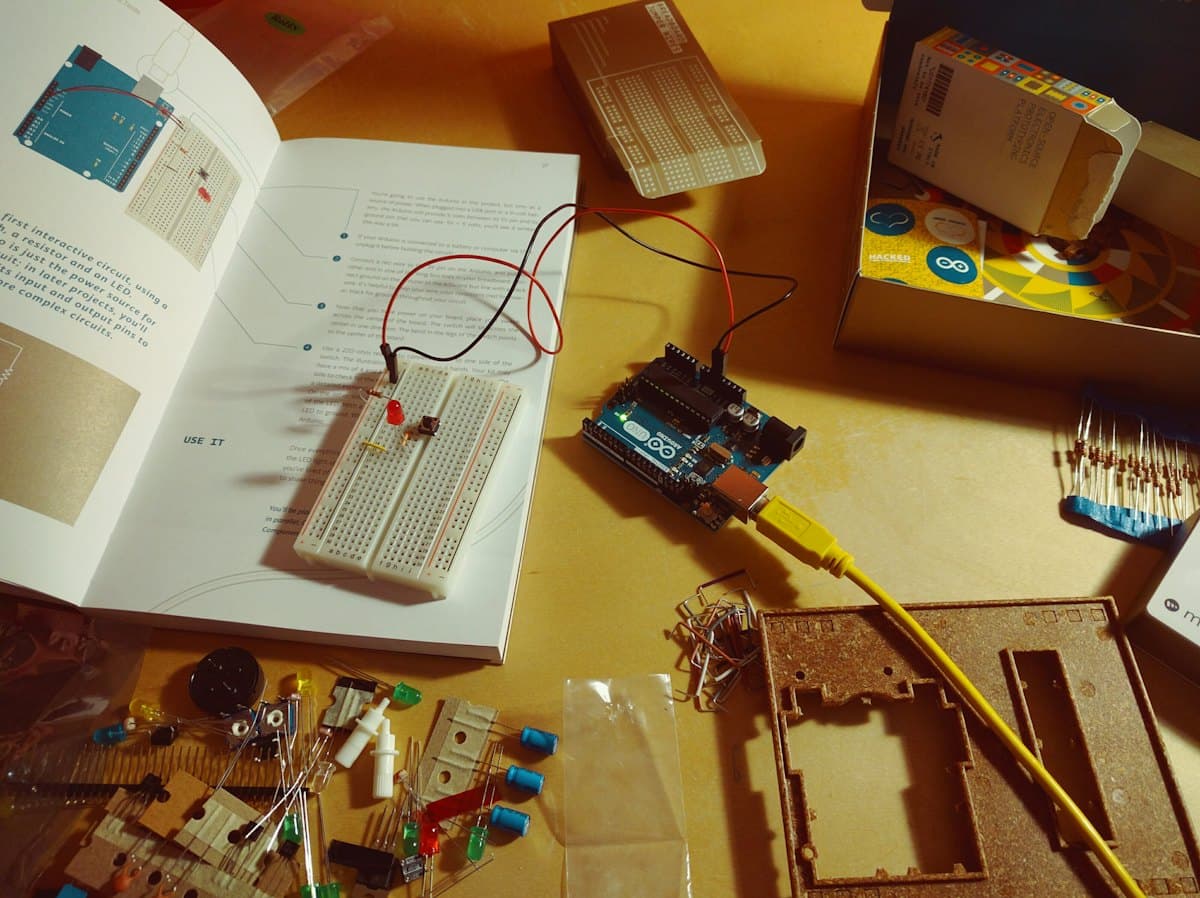
The year of the board exam is also the year of the choice: science, commerce or humanities. We show them how AI is changing each field, so they choose knowing what the work will look like.
- Science: medicine, engineering and research with AI reading the data alongside them
- Commerce: finance, marketing and business run with AI agents, and what stays human
- Humanities: law, media, design and psychology, where judgment matters more than ever
- One small hands-on project in each stream, to find out what they enjoy doing for hours
- A session with parents, who take part in the decision
They leave with A stream chosen with open eyes, and something concrete to discuss at home.
Classes 11 and 12 AI Advanced
AI Research & Innovation Lab
What do I do after school?
These are the deciding years: entrance exams, university, a first idea of a profession. In the lab they stop consuming and start producing: a research project in their own stream, for real users inside the school.
- A team project that the school really uses, measured in hours saved or questions answered
- Science builds with data, commerce runs the numbers and the pitch, humanities researches the users and writes
- AI used wisely to prepare for exams, without handing it their thinking
- A portfolio piece and a clear story for university applications and interviews
They leave with Much more clarity when they go to university, and the first proof that they can produce, not only consume.
A new way of learning: students work like researchers
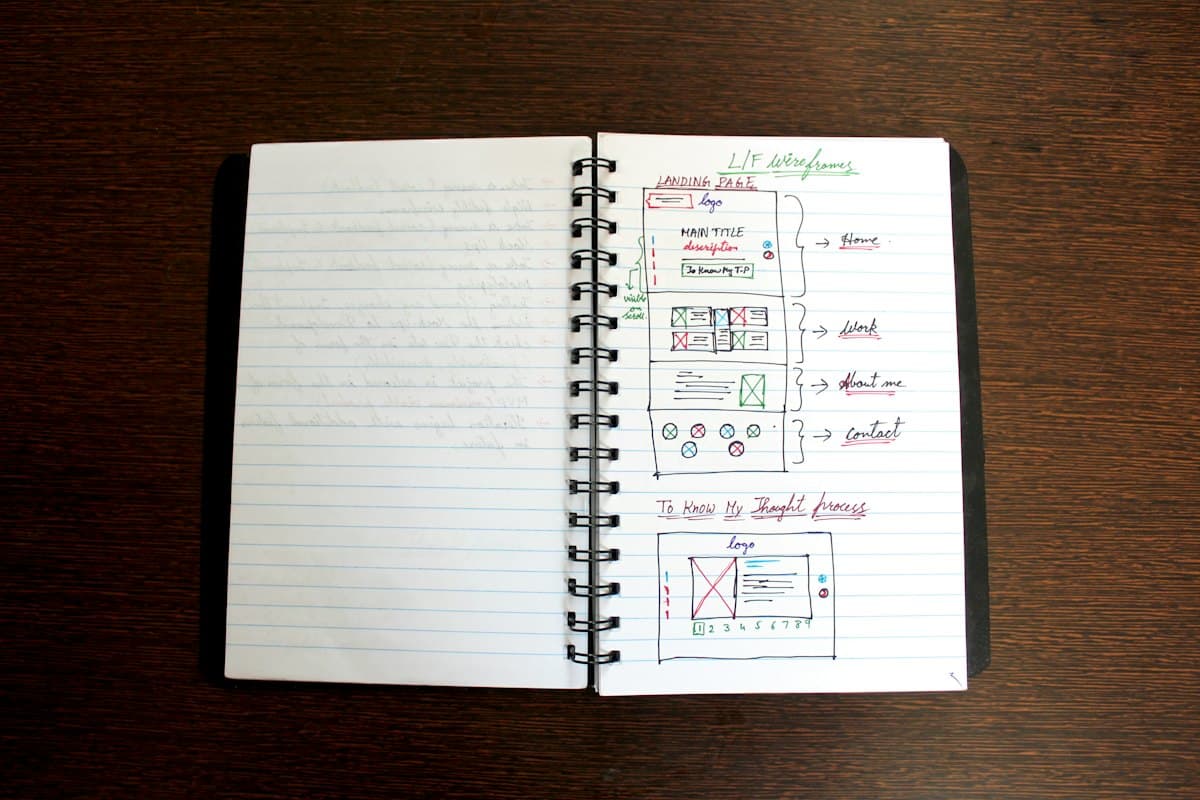
We are doing research, and so are they. Nobody yet knows the best way to learn with AI, so we do not hand students a manual. They treat every project as an experiment, with a question, a method and a result they can defend. It is the mindset of the industry they will enter, where AI is simply part of the work.
Observe
Find a real problem, in the school or in a field they care about.
Ask
Turn it into a question that can be answered, and a hypothesis that can be wrong.
Experiment
Build a prototype with AI. Change one thing at a time. Keep a lab notebook.
Measure
Does it work? How often is the AI wrong? Numbers, not impressions.
Publish
A poster, a demo and a short paper at the school's annual research day.
In the AI Research & Innovation Lab, students build what their school needs
In the lab, the project stops being an exercise. It is a room and a weekly slot inside your school where teams of students build real tools, for real users they meet every day: their teachers, the library, the office, the younger classes.
A doubt-clearing assistant
Built on the school's own lessons, it explains the hard part again and quizzes before the exam. It sends the student back to the teacher when it does not know.
An answer desk for parents
Admissions, fee dates, uniform, bus routes: the questions the office answers fifty times a week, answered from the school's own documents, reviewed by the office.
A smarter library
Find a book, get a suggestion for the next one, see what each class is reading.
The school in numbers
Canteen waste, electricity, air quality at the gate: measured by students, shown on a dashboard the principal can use.
Events and sports, live
Fixtures, results and photos of the annual day, published by a student newsroom with AI as its assistant.
A helper for the junior classes
Reading practice or maths games designed by the seniors for the children of class 3, tested with them, improved with them.
For the next generation of school leaders
The founders of your school built something families trust. The question parents now ask at admission is a new one: what does your school do about AI? Some schools will answer with a poster in the corridor. Yours can answer with a lab, student research and results on show.
AI-ready students, from class 9
Every student can use AI well, check it, and say what it did and what they did. A level you can describe to parents, class by class: AI Ready, AI Applied, AI Advanced.
An AI Research & Innovation Lab on your campus
A room, a weekly slot, a method. Senior students research and build tools the school really uses.
A research day parents remember
Once a year, students present their work with posters, demos and numbers, to parents, teachers and invited guests from industry and universities.
Teachers first, tradition kept
We train your teachers before we meet your students. The values of the school stay; the way of learning moves forward.
What your students will walk into
These are not forecasts. They are systems Clément runs today in his own companies, and shows live to students.
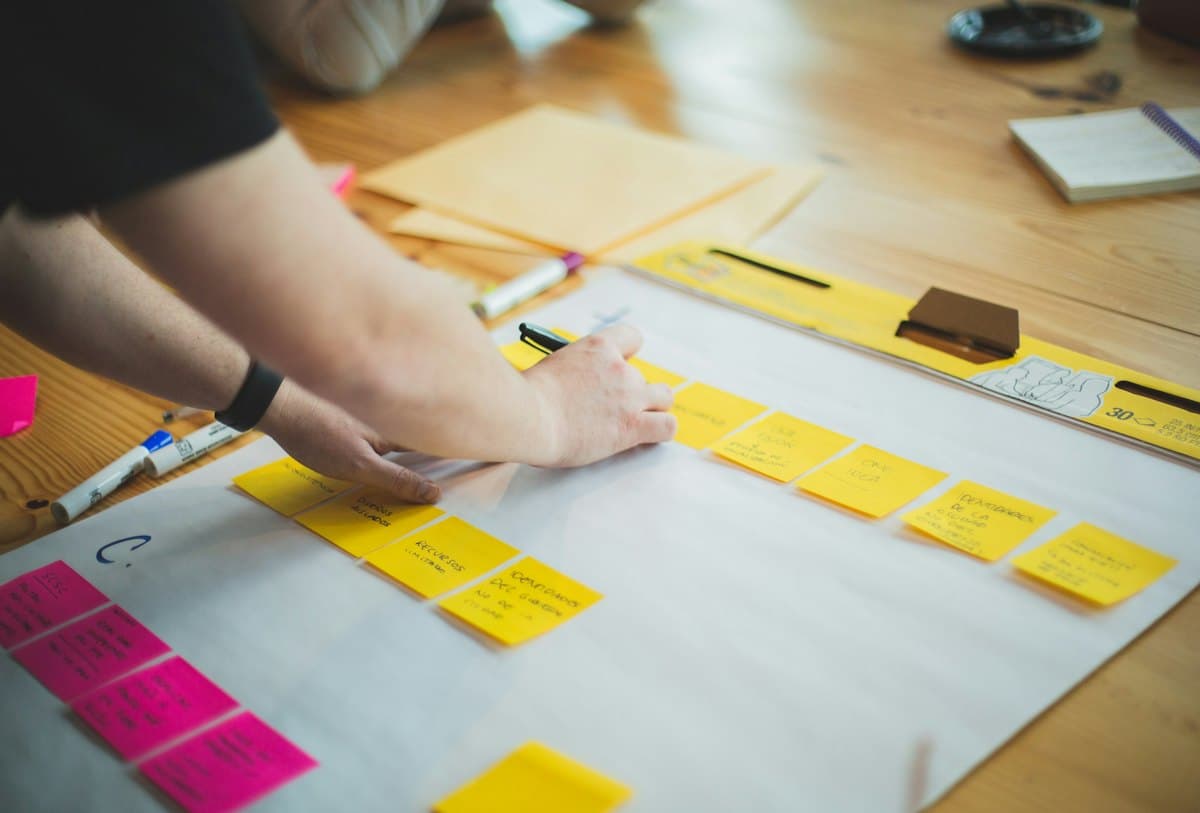
- An AI agent triages a real company mailbox every two hours, and a human reads its report
- Agents research, write and publish overnight; a supervisor checks their work the next morning
- A prospecting agent qualifies leads, follows up on WhatsApp and email, and hands over the hot conversations
- A product company run day to day by its own AI agents, with people deciding and supervising
The people who thrive there are not the ones who used AI the most at school. They are the ones who learned to question it, measure it and build with it.
From consumers to actors
Children already spend hours inside apps, games and AI made by other people, somewhere else. We want them on the other side of the screen: the ones who decide what gets made, in a digital and AI economy that will be theirs.
Awaken their awareness
What is really behind the screen? Why does an AI sound so sure when it is wrong? Who made it, from what data, and for whose benefit? A child who can ask these questions is no longer a product. Awareness comes before skill.
Lead them to create
Then they make something that matters to them: a game, a film, a piece of research, a small business. With AI as a tool in their hands, and their own idea at the centre. Creating is how the understanding becomes theirs.
For the younger classes, we start from what they dream of
Every child already wants to be someone. That is where the project begins. Open a door.
Open a door to see what a child creates behind it.
What we want them to keep for life
- The child stays the author AI is a tool in their hands, never a replacement for their thinking. The idea is theirs, and so is the responsibility.
- AI can be wrong They check it, catch it and fix it. This habit protects them for life, far beyond the classroom.
- They show their work They say what the AI did and what they did, and present it on demo day to friends, teachers and parents.
From age 10, it grows with them
Makers
Ages 10 to 12
They create with AI: stories, drawings, a first game. They learn the first rule early: AI can be wrong, and they are the ones who check.
Builders
Ages 13 to 14
They build tools that really work: a tutor, a match analyst, a data project. They learn how AI works inside, what it cannot do, and how to stay safe.
Founders
Ages 15 to 16
They solve a real problem for real people: their school, a family shop, a local charity. They measure what changed and pitch it to a jury.
For the head of the school
Parents are asking what your school does about AI. This is an answer they can see.
AI projects your school can show
A demo day where every student presents a working project to parents. Real things on a screen, built by children from your school.
Teachers who are ready
A workshop for your teachers first, so AI becomes a tool in their classroom and not a worry.
Safe and honest by design
Age-appropriate tools, supervised sessions, no personal data. Children learn to check AI, to say what it did and what they did, and never to pass it off as their own work.
A school that leads
Your school becomes a place where children make technology instead of only using it, guided by people who run AI companies. Other schools will ask how you did it.
Several formats, one objective
Whatever the format, every child leaves with the same three things: a good basic knowledge of AI, the habit of using it wisely, and a first step from consumer to producer.
AI Discovery Day
1 day
The whole grade builds something before the final bell. The spark, for students and for parents.
AI Club
1 term
A weekly session. Each child takes one project from idea to demo day.
AI Project Fair
Demo day
Students present to parents, teachers and invited guests. The best projects get coaching from our teams.
AI Research & Innovation Lab
All year · Classes 11 and 12
A permanent lab where teams of senior students research and build tools the school really uses, and prove their value.
Teacher workshop
Half a day
Your teachers build their own assistant for lesson planning and marking, and learn how to guide students.
Led by Clément Lacaille and Anil Gupta with their teams, in English, on your campus. Free tools only, nothing for families to buy.
Let us talk about your students.
Write a few lines about your students or your team. One of us replies personally.